

- cross-posted to:
- linux@programming.dev
- cross-posted to:
- linux@programming.dev
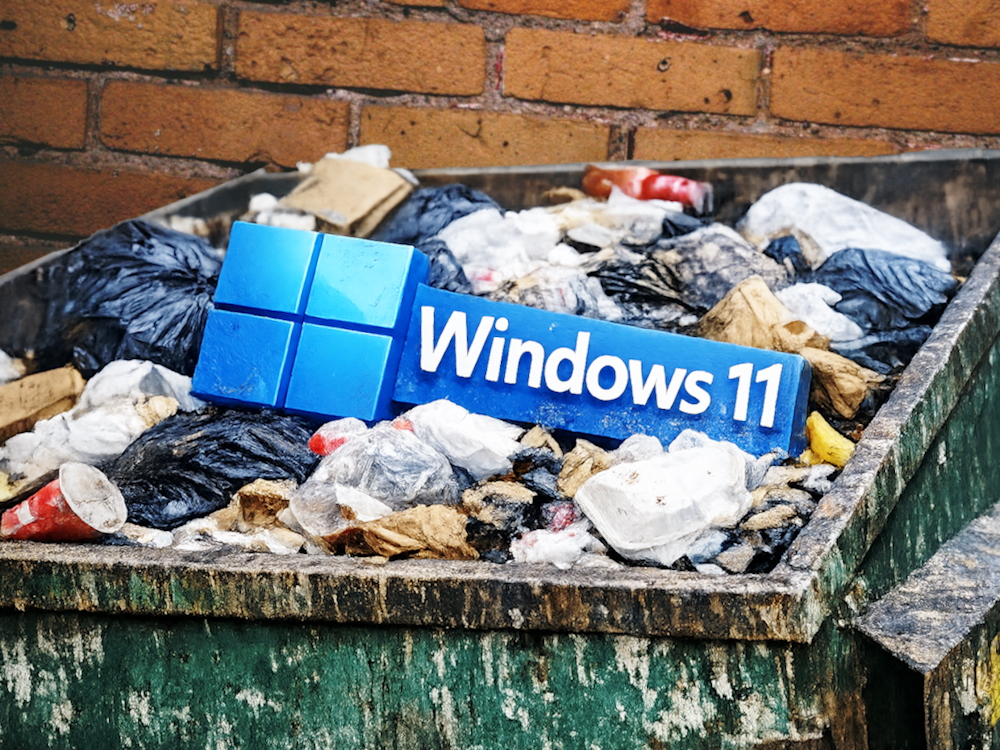
There. That’s out of the way. I recently installed Linux on my main desktop computer and work laptop, overwriting the Windows partition completely. Essentially, I deleted the primary operating system from the two computers I use the most, day in and day out, instead trusting all of my personal and work computing needs to the Open Source community. This has been a growing trend, and I hopped on the bandwagon, but for good reasons. Some of those reasons might pertain to you and convince you to finally make the jump as well. Here’s my experience.
[…]
Been using Linux for. A year now, srill don’t know what it is
I started on Mint and then switched to Kubuntu But just work
At its core, SystemD coordinates and launches all the services in your operating system. So, it is essential for the boot process, but also does scheduling, meaning you could run a backup script every night with it, for example.
That’s the simple answer. But in truth, SystemD is often criticized for doing too much, so it’s hard to describe what it really does. For example, you can also manage network interfaces via SystemD.
Kind of the goal of SystemD is to provide common plumbing which works the same across distros, so that when you configure your services or network interfaces etc. on Ubuntu, it works the same as on openSUSE or Arch or whatever.