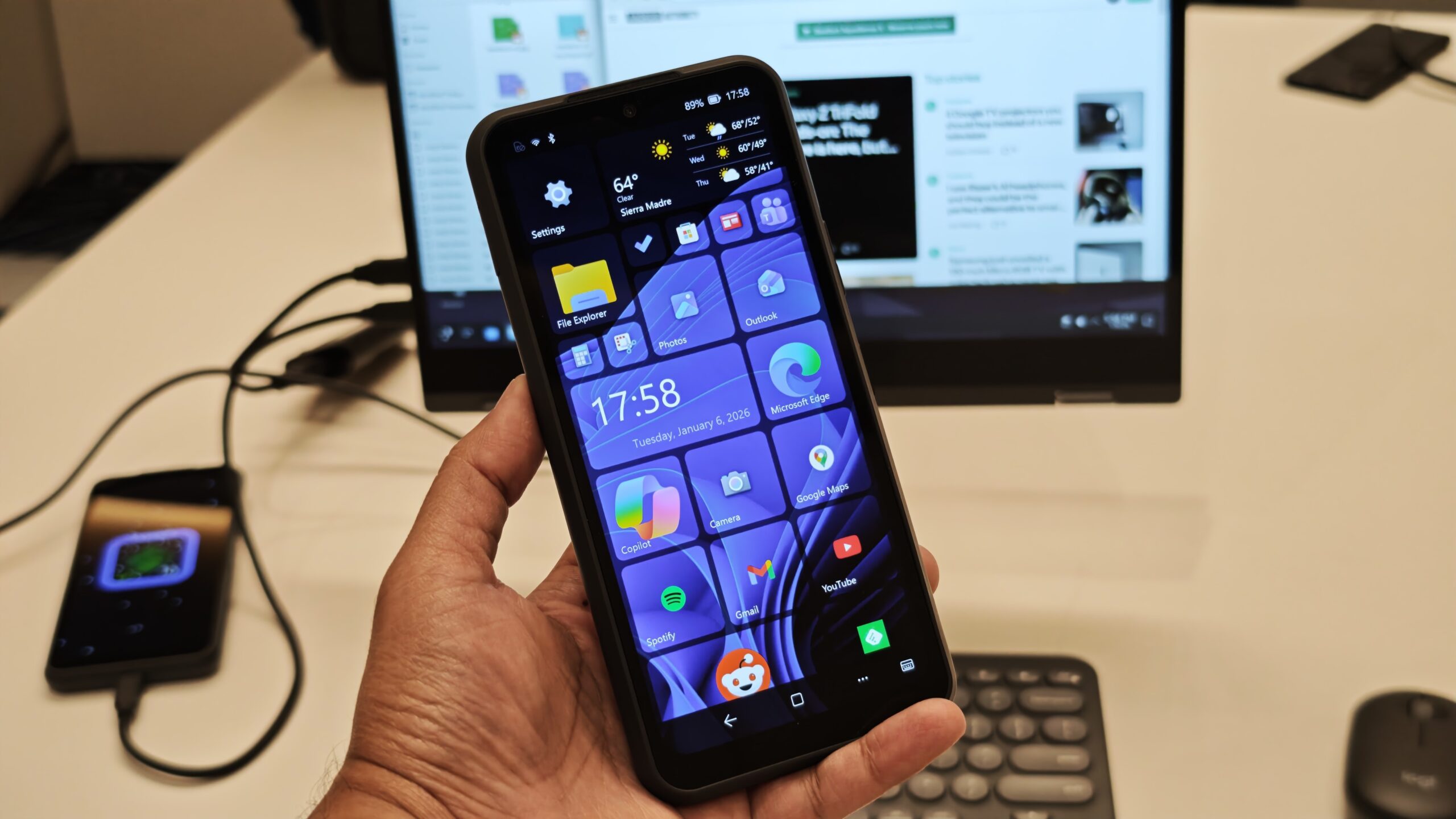
Rather than a cutting-edge Snapdragon 8 chip, the NexPhone is going with a rather odd choice of Qualcomm SoC: the QCM6490. This chip is primarily designed for IoT purposes, and it’s not exactly new, either — we saw the Fairphone 5 running it back in 2023, and it was noticeably sluggish, even then.
Doesn’t say how the various OS’es get installed, they talk about some kind of multi-boot in the OS, that sounds bad for long-term maintenance. Give me an x86_64 CPU and UEFI, maybe I’m interested. This ain’t it.
@Bluegrass_Addict@bruhbeans Agreed. Doesn’t Android 16 already have the ability to “run Linux as an app?” Even on Android 15 and earlier people do this using @termux, proot, etc.
The dodgy surveillance OSes, Google Android and #Microslop Windows, get installed on the device, while the trustworthy OS, Debian #GNULinux, gets installed as a constrained and restricted app?
Does anyone currently make an x86 CPU that’s efficient enough for phone use and powerful enough for a useable desktop experience? A snapdragon 8 or elite chip would be perfect if it wasn’t for the OS compatibility jank.
As far as I know everyone making x86 CPUs have no intrest in the phone space :(. While x86 CPUs can be optimized to near ARM efficiency, it just doesn’t make sense for manufacturers to do so when ARM exists and is fully mature as a phone platform. There are tons of x86 tablets, but that’s because they simply share their laptop counterparts CPU instead of a mega optimized brand new cpu
As much as I glaze RISC-V, its an embedded architecture firstmost. RISC-V gets a more powerful SOC released now and then but theres not massive adoption for general computing like there is for ARM, leading back into the problem of “Why go with RISC-V when ARM is far more mature?”. And almost no company is building new assembly lines when 99% of their customers dont give a shit about computing freedom


Doesn’t say how the various OS’es get installed, they talk about some kind of multi-boot in the OS, that sounds bad for long-term maintenance. Give me an x86_64 CPU and UEFI, maybe I’m interested. This ain’t it.
it for sure does say how the other OS’s get installed… as apps on Android.
it’s just an android fork and not a true Linux install. nothing but corporate lies in my book
@Bluegrass_Addict @bruhbeans Agreed. Doesn’t Android 16 already have the ability to “run Linux as an app?” Even on Android 15 and earlier people do this using @termux, proot, etc.
The dodgy surveillance OSes, Google Android and #Microslop Windows, get installed on the device, while the trustworthy OS, Debian #GNULinux, gets installed as a constrained and restricted app?
Whatever happened to people’s brains?
#NexPhone #NexDock
I miss when Intel was making Atom chips for smartphones. God damn were those things fast for the time.
Does anyone currently make an x86 CPU that’s efficient enough for phone use and powerful enough for a useable desktop experience? A snapdragon 8 or elite chip would be perfect if it wasn’t for the OS compatibility jank.
As far as I know everyone making x86 CPUs have no intrest in the phone space :(. While x86 CPUs can be optimized to near ARM efficiency, it just doesn’t make sense for manufacturers to do so when ARM exists and is fully mature as a phone platform. There are tons of x86 tablets, but that’s because they simply share their laptop counterparts CPU instead of a mega optimized brand new cpu
@lilith267 @fuckwit_mcbumcrumble
Or RISC-V
As much as I glaze RISC-V, its an embedded architecture firstmost. RISC-V gets a more powerful SOC released now and then but theres not massive adoption for general computing like there is for ARM, leading back into the problem of “Why go with RISC-V when ARM is far more mature?”. And almost no company is building new assembly lines when 99% of their customers dont give a shit about computing freedom